- Your cart is empty
- Continue Shopping

What Is PCP?
-
By admin
- Posted on
- 0 comments
- Guide
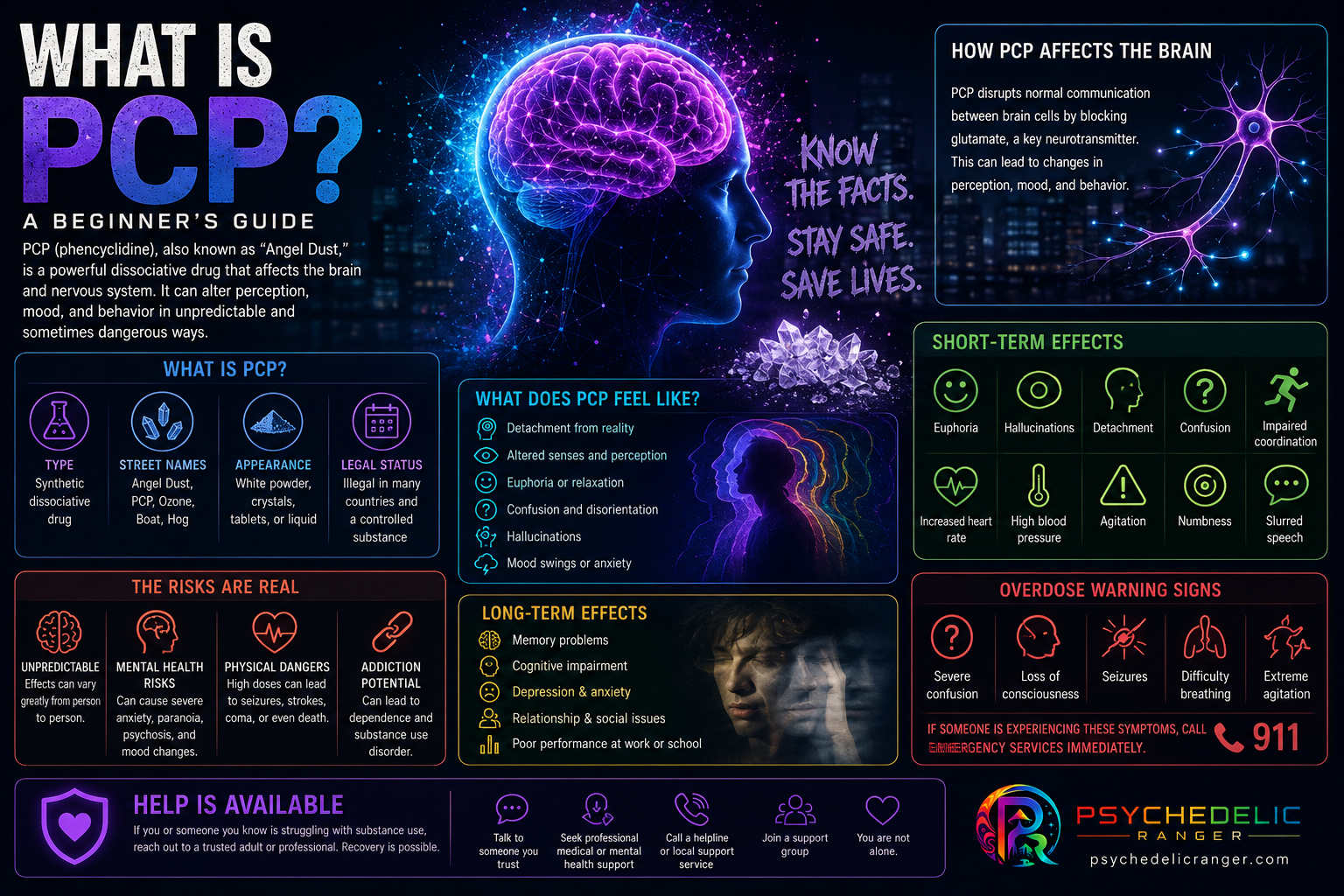
What Is PCP? A Beginner’s Guide
PCP, short for phencyclidine, is a powerful dissociative drug that affects the brain and nervous system. It is perhaps best known by its street name, “Angel Dust,” although it has also been referred to by several other names over the years. PCP has a complex history, beginning as a medical anesthetic before becoming a substance associated with recreational misuse and significant public health concerns.
Today, PCP is classified as an illegal substance in many countries and is known for its unpredictable effects. Depending on the dose, individual health factors, and circumstances of use, PCP can produce feelings of detachment from reality, changes in perception, hallucinations, confusion, and impaired judgment. Because its effects can vary dramatically from person to person, PCP is considered one of the more unpredictable psychoactive substances.
For those unfamiliar with the drug, understanding what PCP is, how it works, and why it can be dangerous is important. This guide provides an educational overview of PCP, including its history, effects, risks, addiction potential, and public health implications.
Understanding PCP
Phencyclidine is a synthetic chemical compound that belongs to a category of substances known as dissociative drugs.
Dissociative drugs alter a person’s perception of reality and can create feelings of detachment from their environment, thoughts, emotions, or physical body. Individuals under the influence of dissociative substances may feel disconnected from what is happening around them, sometimes describing experiences as dreamlike or surreal.
PCP is particularly notable because its effects can range from mild intoxication to severe psychological disturbances depending on the amount consumed and the individual’s response.
Unlike some substances that primarily affect mood or energy levels, PCP can significantly alter perception, thinking, and awareness. This is one reason why it has become a major focus of substance abuse prevention and education efforts.
The History of PCP
PCP was first developed in the 1950s by pharmaceutical researchers.
Initially, scientists believed PCP could be useful as an intravenous anesthetic because it produced pain relief and sedation. It was introduced for medical use under the trade name Sernyl.
However, physicians soon noticed troubling side effects in patients recovering from anesthesia. Some individuals experienced hallucinations, confusion, agitation, and prolonged psychological disturbances.
Because of these concerns, PCP’s use in human medicine was eventually discontinued.
Although it was removed from routine medical practice, PCP later emerged as a recreational drug. During the 1960s and 1970s, reports of misuse increased significantly, leading governments and health organizations to classify it as a controlled substance.
Today, PCP has no widely accepted medical use in humans in many countries and is primarily known for its risks and potential for misuse.
Why Is PCP Called Angel Dust?
The nickname “Angel Dust” became popular during the rise of recreational PCP use.
Like many street names for drugs, the term originated informally and was widely adopted through media reports, popular culture, and public discussions.
While the nickname may sound harmless, it can be misleading because PCP can produce dangerous and unpredictable effects.
Public health experts generally prefer using the scientific name phencyclidine or the abbreviation PCP when discussing the substance in educational settings.
What Makes PCP a Dissociative Drug?
PCP belongs to a class of drugs known as dissociatives.
Dissociative substances affect communication between different regions of the brain. As a result, individuals may experience altered awareness, distorted perceptions, and feelings of separation from reality.
People experiencing dissociation may feel detached from their bodies, surroundings, emotions, or sense of self.
These effects can vary in intensity depending on dosage and individual sensitivity.
Some users report feeling disconnected from pain, while others describe experiences involving distorted time perception, altered sensory experiences, or profound confusion.
The dissociative effects of PCP are among its most defining characteristics.
How PCP Affects the Brain
PCP primarily affects neurotransmitter systems in the brain.
Neurotransmitters are chemical messengers that allow nerve cells to communicate with one another.
One of PCP’s primary actions involves disrupting the function of glutamate, a neurotransmitter that plays an important role in learning, memory, and perception.
By interfering with normal communication between brain cells, PCP can alter how individuals process information and interpret their environment.
This disruption contributes to many of the drug’s characteristic effects, including:
- Altered perception
- Hallucinations
- Confusion
- Distorted thinking
- Dissociation
- Changes in mood
Because the brain is responsible for regulating behavior, judgment, and decision-making, PCP’s effects can significantly impair a person’s ability to function safely.
How PCP Affects the Body
While PCP is often discussed in terms of its psychological effects, it can also affect the body in various ways.
Physical effects may include:
- Increased blood pressure
- Elevated heart rate
- Numbness
- Reduced sensitivity to pain
- Poor coordination
- Muscle rigidity
- Dizziness
- Slurred speech
The intensity of these effects can vary widely.
Some individuals may experience relatively mild symptoms, while others may develop severe reactions requiring immediate medical attention.
Short-Term Effects of PCP
The immediate effects of PCP can differ significantly from one person to another.
Factors influencing the experience may include:
- Dosage
- Individual body chemistry
- Mental health status
- Physical health
- Use of other substances
Common short-term effects may include:
Euphoria
Some individuals experience feelings of pleasure or well-being.
Detachment From Reality
Users often report feeling disconnected from their environment or sense of self.
Hallucinations
Visual or auditory hallucinations may occur.
Confusion
Thinking and reasoning abilities can become impaired.
Agitation
Some individuals become restless, anxious, or irritable.
Impaired Judgment
Decision-making abilities may be significantly reduced.
Loss of Coordination
Balance and motor skills may become impaired.
These effects can create dangerous situations, especially when individuals attempt to drive, operate machinery, or engage in risky activities.
Why Are PCP Reactions So Unpredictable?
One of the most concerning characteristics of PCP is its unpredictability.
Two individuals may consume similar amounts and experience dramatically different outcomes.
Several factors contribute to this unpredictability:
- Differences in body chemistry
- Mental health history
- Drug purity
- Dosage variations
- Interactions with other substances
Because responses vary widely, there is no reliable way to predict how a person will react.
This unpredictability contributes significantly to PCP-related emergencies.
Mental Health Effects of PCP
PCP can have profound effects on mental health.
While some individuals experience temporary symptoms, others may develop severe psychological reactions.
Potential mental health effects include:
- Anxiety
- Panic
- Paranoia
- Delusions
- Hallucinations
- Mood changes
- Confusion
- Psychotic symptoms
In some cases, symptoms may persist after the immediate effects of the drug have worn off.
Individuals with pre-existing mental health conditions may be particularly vulnerable to adverse psychological reactions.
PCP and Psychosis
One of the most serious risks associated with PCP is drug-induced psychosis.
Psychosis is a condition in which an individual loses touch with reality.
Symptoms may include:
- Delusions
- Hallucinations
- Disorganized thinking
- Extreme paranoia
While psychosis is not experienced by everyone who uses PCP, it remains a significant concern due to the drug’s powerful effects on perception and cognition.
Medical evaluation is often necessary when severe psychological symptoms occur.
Long-Term Risks of PCP Use
Repeated PCP use may contribute to long-term health and psychological concerns.
Potential long-term risks include:
Memory Problems
Some individuals experience difficulty with memory and learning.
Cognitive Impairment
Thinking, concentration, and problem-solving abilities may be affected.
Mood Disorders
Persistent anxiety or depression may occur in some cases.
Social Consequences
Substance misuse can negatively impact relationships, education, and employment.
Mental Health Complications
Ongoing psychological difficulties may develop in certain individuals.
The severity of long-term effects varies widely depending on frequency of use, dosage, and overall health.
Can Someone Become Addicted to PCP?
Although PCP does not always produce physical dependence in the same way as opioids, addiction can occur.
Addiction is characterized by compulsive substance use despite negative consequences.
Individuals struggling with PCP addiction may:
- Experience strong cravings
- Continue using despite problems
- Neglect responsibilities
- Spend significant time obtaining or using the drug
- Have difficulty stopping use
Like many substance use disorders, PCP addiction can affect multiple areas of life and may require professional treatment.
Signs of PCP Misuse
Recognizing signs of PCP misuse may help individuals seek support sooner.
Possible warning signs include:
- Sudden behavioral changes
- Confusion
- Mood swings
- Social withdrawal
- Poor judgment
- Declining academic or work performance
- Secretive behavior
- Unusual perceptions or beliefs
Not every sign necessarily indicates PCP use, but patterns of concerning behavior may warrant attention.
PCP Overdose and Medical Emergencies
Although the effects of PCP vary, high doses can create serious medical emergencies.
Potential symptoms may include:
- Severe confusion
- Agitation
- High blood pressure
- Seizures
- Loss of consciousness
- Difficulty breathing
- Dangerous behavior
Medical professionals should evaluate any severe reaction immediately.
Prompt intervention can improve outcomes and reduce complications.
Legal Status of PCP
PCP is classified as a controlled substance in many countries.
Because of its high potential for misuse and lack of accepted medical use in many jurisdictions, possession, distribution, or manufacturing may carry serious legal consequences.
Laws vary by location, so individuals should consult current regulations in their specific region for accurate legal information.
Prevention and Education
Education plays a critical role in preventing substance misuse.
Accurate information helps individuals understand:
- The risks of PCP use
- Potential health consequences
- Warning signs of misuse
- Available support resources
Parents, teachers, healthcare providers, and community leaders can all contribute to awareness efforts.
Providing factual information encourages informed decision-making and helps reduce misinformation.
Supporting Someone Struggling With PCP Use
If someone appears to be struggling with PCP misuse, compassionate support can make a significant difference.
Helpful approaches may include:
- Encouraging professional evaluation
- Listening without judgment
- Learning about substance use disorders
- Supporting treatment efforts
- Promoting healthy coping strategies
Recovery is possible, and many individuals benefit from counseling, behavioral therapies, and ongoing support systems.
Conclusion
PCP, or phencyclidine, is a powerful dissociative drug originally developed as an anesthetic before being discontinued due to serious psychological side effects. Today, it is known primarily as an illegal substance associated with unpredictable effects on perception, cognition, mood, and behavior.
Because PCP can alter how the brain processes information and reality, it carries significant risks, including hallucinations, psychosis, impaired judgment, accidents, addiction, and medical emergencies. Reactions can vary dramatically between individuals, making the substance particularly dangerous. Read more.
Understanding what PCP is, how it affects the brain and body, and why it presents serious health concerns is essential for promoting awareness and prevention. Through education, early intervention, and access to appropriate support resources, individuals and communities can better address the challenges associated with PCP misuse and reduce the harm it may cause. Click here for those researchers seeking the lean syrup online.
Frequently Asked Questions (FAQs) About PCP (Phencyclidine)
1. What is PCP?
PCP, or phencyclidine, is a synthetic dissociative drug that affects the brain and nervous system. Originally developed as an anesthetic in the 1950s, it was later discontinued for human medical use because of severe psychological side effects. Today, PCP is primarily known as an illegal substance associated with altered perception, hallucinations, and unpredictable behavior.
2. What does PCP stand for?
PCP stands for phencyclidine, the scientific name of the drug. It is often referred to by its abbreviation because the full name is difficult to pronounce and remember.
3. Why is PCP called Angel Dust?
“Angel Dust” is one of the most common street names for PCP. The nickname emerged during the rise of recreational PCP use and became widely recognized through media reports and popular culture. Despite the name, PCP is a powerful and potentially dangerous substance.
4. What type of drug is PCP?
PCP is classified as a dissociative drug. Dissociatives alter perception, thinking, and awareness, often causing users to feel disconnected from reality, their surroundings, or even their own bodies.
5. How does PCP affect the brain?
PCP interferes with communication between brain cells by affecting neurotransmitter systems, particularly those involving glutamate. This disruption can alter perception, memory, mood, judgment, and behavior, leading to symptoms such as hallucinations, confusion, and dissociation.
6. What does dissociation mean?
Dissociation refers to a feeling of being disconnected from reality, oneself, or one’s surroundings. A person experiencing dissociation may feel detached from their body, emotions, thoughts, or environment.
7. What are the short-term effects of PCP?
Short-term effects can include:
- Euphoria
- Hallucinations
- Confusion
- Numbness
- Dizziness
- Slurred speech
- Impaired coordination
- Increased heart rate
- Elevated blood pressure
- Detachment from reality
The effects can vary significantly depending on dosage and individual response.
8. Why are PCP effects considered unpredictable?
PCP affects people differently based on factors such as dosage, body chemistry, mental health status, and whether other substances are involved. Two people using similar amounts may experience completely different reactions, ranging from mild intoxication to severe psychological distress.
9. Can PCP cause hallucinations?
Yes. PCP can cause visual, auditory, or sensory hallucinations. Users may see, hear, or feel things that are not actually present, which can contribute to confusion and dangerous decision-making.
10. Can PCP affect a person’s behavior?
Yes. PCP can significantly alter behavior, judgment, and emotional responses. Some individuals may become confused, agitated, fearful, or impulsive. Others may appear detached or disconnected from their surroundings.
11. Can PCP cause psychosis?
Yes. PCP has been associated with drug-induced psychosis, a condition in which a person loses touch with reality. Symptoms may include hallucinations, delusions, paranoia, and disorganized thinking.
12. What is PCP-induced psychosis?
PCP-induced psychosis is a severe mental state triggered by the drug. Individuals may believe things that are not true, experience hallucinations, or become extremely paranoid. Medical evaluation is often necessary when psychosis occurs.
13. What are the long-term effects of PCP use?
Long-term risks may include:
- Memory problems
- Difficulty concentrating
- Cognitive impairment
- Mood disorders
- Anxiety
- Depression
- Social and relationship difficulties
- Problems with work or school performance
The severity of these effects varies among individuals.
14. Can PCP cause permanent brain damage?
Research suggests that repeated PCP misuse may contribute to lasting cognitive and psychological problems. While outcomes vary, long-term use can negatively affect memory, learning, and overall brain function.
15. Is PCP addictive?
Yes. Although PCP may not always produce physical dependence in the same way as opioids, it can lead to psychological addiction. Some individuals develop compulsive patterns of use and continue taking the drug despite harmful consequences.
16. What are the signs of PCP addiction?
Common signs may include:
- Strong cravings
- Frequent drug use
- Difficulty stopping
- Neglecting responsibilities
- Social withdrawal
- Financial problems
- Continued use despite negative consequences
17. Can someone overdose on PCP?
Yes. High doses of PCP can lead to serious medical emergencies. An overdose may involve severe confusion, seizures, breathing problems, loss of consciousness, or other life-threatening complications.
18. What are the warning signs of a PCP overdose?
Possible symptoms include:
- Extreme agitation
- Severe confusion
- Loss of consciousness
- Seizures
- Difficulty breathing
- High blood pressure
- Dangerous or erratic behavior
Emergency medical assistance should be sought immediately if an overdose is suspected.
19. How long does PCP stay in the body?
The amount of time PCP remains in the body depends on factors such as dosage, metabolism, frequency of use, and overall health. Detection times vary, but PCP can remain detectable for several days and sometimes longer.
20. Can PCP be detected on a drug test?
Yes. Many drug screening tests can detect PCP. The detection window depends on the type of test used and the individual’s metabolism and usage patterns.
21. Is PCP legal?
In many countries, PCP is classified as a controlled substance and is illegal to possess, distribute, or manufacture without authorization. Legal consequences vary depending on local laws and regulations.
22. Why was PCP originally developed?
PCP was initially created as an anesthetic for medical use. However, it was discontinued for human medicine because patients frequently experienced severe side effects, including hallucinations, agitation, and psychological disturbances.
23. How does PCP differ from other drugs?
PCP is unique because it produces dissociative effects that can significantly alter a person’s perception of reality. While some drugs primarily affect mood or energy levels, PCP can profoundly impact awareness, thinking, and sensory experiences.
24. Who is most at risk from PCP use?
Anyone who uses PCP may experience adverse effects. However, individuals with pre-existing mental health conditions, cardiovascular issues, or a history of substance misuse may face greater risks of complications.
25. How can families recognize possible PCP misuse?
Warning signs may include:
- Sudden personality changes
- Confusion or unusual thinking
- Secretive behavior
- Mood swings
- Declining performance at work or school
- Social withdrawal
- Unusual perceptions or beliefs
Recognizing these signs early may help individuals receive support sooner.
26. What treatment options are available for PCP addiction?
Treatment may include:
- Behavioral therapy
- Individual counseling
- Group therapy
- Mental health treatment
- Residential treatment programs
- Outpatient recovery services
- Peer support groups
Treatment plans vary based on the individual’s needs and circumstances.
27. Can someone recover from PCP addiction?
Yes. Recovery is possible with appropriate support and treatment. Many individuals benefit from professional counseling, structured recovery programs, and strong social support networks.
28. How can parents talk to teens about PCP?
Parents can provide accurate information about the risks of PCP, encourage open communication, and discuss healthy ways to cope with stress and peer pressure. Honest, nonjudgmental conversations can help young people make informed decisions.
29. Why is PCP considered a public health concern?
PCP is a public health concern because of its unpredictable effects, potential for addiction, association with mental health crises, and risk of medical emergencies. Education and prevention efforts help reduce harm and increase awareness.
30. What is the most important thing to know about PCP?
The most important thing to understand is that PCP is a powerful dissociative drug capable of causing significant changes in perception, behavior, judgment, and mental health. Because its effects are highly unpredictable, PCP can lead to serious physical and psychological risks, making education, awareness, and prevention essential.