- Your cart is empty
- Continue Shopping

What Is Lean Syrup?
-
By admin
- Posted on
- 0 comments
- Guide
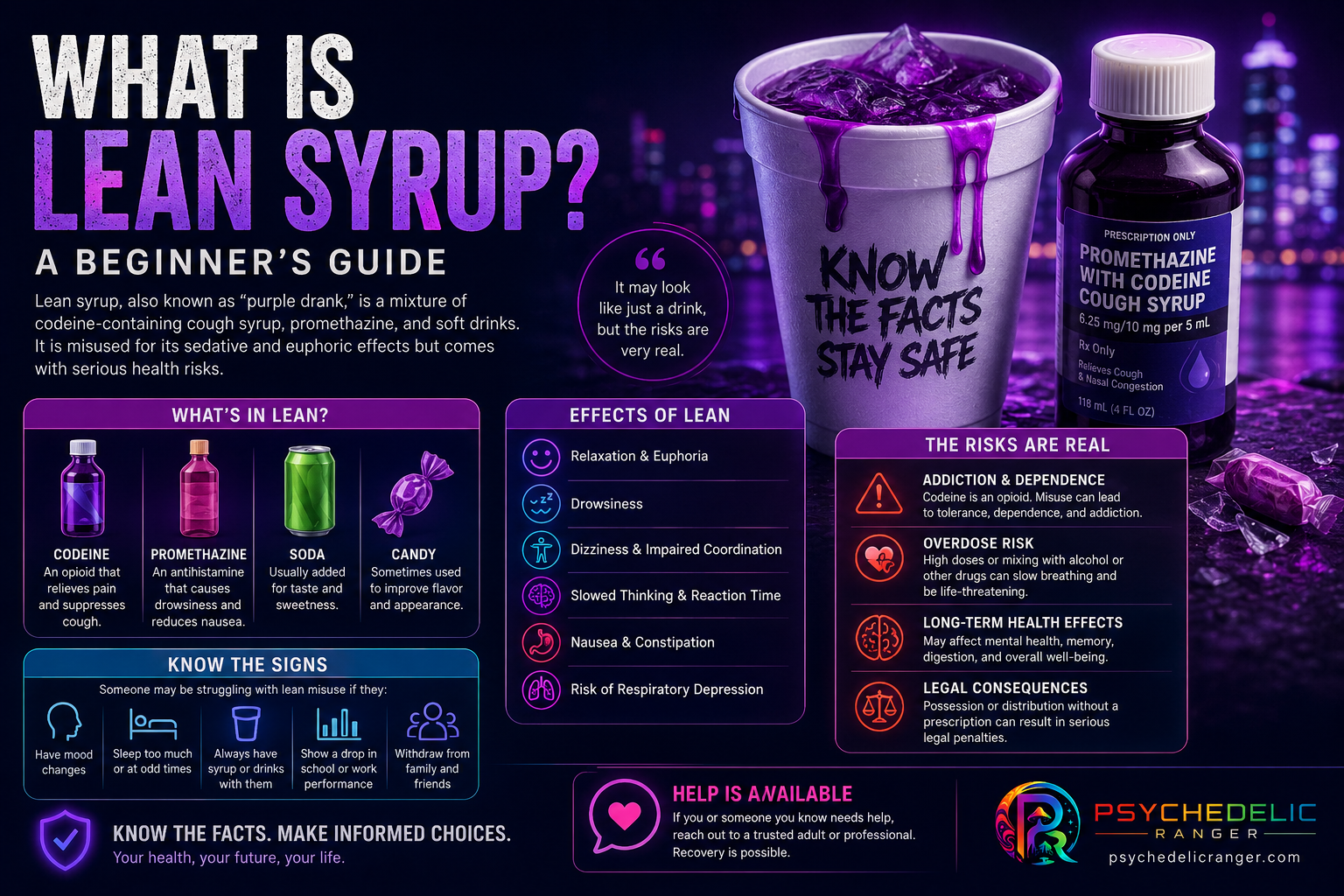
What Is Lean Syrup? A Beginner’s Guide
Lean syrup, sometimes called “purple drank,” “sizzurp,” or simply “lean,” is a recreational drug mixture that traditionally contains prescription cough syrup with codeine and promethazine combined with soft drinks and sometimes candy for flavor. Over the years, lean has become a widely recognized term in popular culture, music, and social media. However, despite its portrayal in entertainment, lean carries significant health risks and has been associated with addiction, overdose, and other serious medical complications.
Many people first hear about lean through music, online videos, or discussions among peers. Because it is often made using prescription medications, some individuals mistakenly assume it is safer than other illicit substances. In reality, codeine is an opioid, and misuse of opioid-containing medications can lead to dangerous consequences.
This beginner’s guide explores what lean syrup is, how it works, why people use it, its short-term and long-term effects, potential health risks, legal concerns, and the importance of education and prevention.
Understanding Lean Syrup
Lean is most commonly associated with a mixture that contains codeine-promethazine cough syrup combined with a sweet beverage such as soda. The drink often appears purple due to the color of certain prescription syrups, which is why it became known as “purple drank.”
Codeine is an opioid medication prescribed to treat mild to moderate pain and suppress coughing. Promethazine is an antihistamine that can help reduce allergy symptoms and nausea while also causing drowsiness.
When these substances are combined and consumed recreationally, users may experience feelings of relaxation, sedation, and euphoria. However, these effects come with significant risks, particularly because opioids affect the central nervous system and respiratory system.
The recreational use of lean differs greatly from the legitimate medical use of prescription medications. When prescribed by a healthcare provider, medications containing codeine are used under specific guidelines and dosages. Recreational misuse often involves taking higher amounts or using the medication without medical supervision.
Why Is It Called Lean?
The name “lean” is believed to come from the way some users appear to lean or slouch while under the influence of the drug. Because codeine and promethazine can cause significant drowsiness and sedation, individuals may have difficulty maintaining normal posture and alertness.
Over time, the term became widely associated with the recreational drink mixture itself rather than the physical behavior it sometimes produces.
The names “purple drank” and “sizzurp” also became popular, especially in certain music and entertainment circles. Regardless of the terminology used, the substance typically refers to the misuse of codeine-containing cough syrup.
What Is Codeine?
To understand lean, it is important to understand codeine.
Codeine is an opioid medication that belongs to the same family of drugs as morphine and oxycodone. Healthcare providers may prescribe codeine for pain relief or cough suppression in specific circumstances.
Once codeine enters the body, it is converted into morphine through metabolic processes. This conversion contributes to its pain-relieving and sedative effects.
Like other opioids, codeine affects receptors in the brain and nervous system. These receptors influence pain perception, mood, and breathing.
While codeine can be effective when used as prescribed, misuse can lead to dependence, addiction, and potentially life-threatening complications.
How Does Lean Affect the Body?
Lean primarily affects the central nervous system.
The codeine component produces opioid effects, while promethazine enhances sedation and drowsiness. Together, these substances can slow brain activity and reduce alertness.
Common effects may include:
- Relaxation
- Drowsiness
- Euphoria
- Reduced anxiety
- Slowed reaction time
- Impaired judgment
- Dizziness
- Reduced coordination
While some users seek these effects, they also create risks that can interfere with daily activities and decision-making.
One of the most concerning effects involves respiratory depression, a condition in which breathing becomes dangerously slow or shallow. This risk increases as dosage increases or when lean is combined with other substances.
Why Do Some People Use Lean?
People may use lean for various reasons.
Some are curious due to its portrayal in music and popular culture. Others may seek feelings of relaxation, euphoria, or escape from stress.
Social influences can also play a role. Individuals may experiment with lean because they see peers discussing or using it.
However, many people underestimate the risks because the drink often contains prescription medications rather than substances commonly associated with illegal drug use.
This misconception can contribute to dangerous patterns of misuse.
Short-Term Effects of Lean Syrup
The immediate effects of lean can vary depending on the amount consumed, individual body chemistry, and whether other substances are involved.
Some common short-term effects include:
Drowsiness
One of the most noticeable effects is extreme sleepiness. Users may feel unusually tired and struggle to remain alert.
Euphoria
Some individuals report feelings of pleasure or emotional well-being.
Dizziness
Lean can affect balance and coordination, increasing the risk of falls and accidents.
Slowed Thinking
Mental processing may become slower, making it difficult to focus or make decisions.
Nausea
Opioids commonly cause nausea and stomach discomfort.
Constipation
Codeine can slow digestive function, leading to constipation.
Impaired Coordination
Motor skills may be affected, making activities such as driving particularly dangerous.
These effects may appear mild initially but can become severe depending on dosage and other contributing factors.
The Dangers of Respiratory Depression
One of the most serious risks associated with lean is respiratory depression.
Opioids can slow breathing by affecting areas of the brain responsible for respiratory function.
As breathing becomes slower and shallower, oxygen levels may decrease. In severe cases, this can lead to unconsciousness, brain injury, or death.
Respiratory depression is one of the leading causes of opioid overdose fatalities.
Because codeine is an opioid, misuse significantly increases this risk.
Long-Term Effects of Lean Use
Repeated misuse of lean can have lasting effects on both physical and mental health.
Opioid Dependence
The body can become accustomed to regular opioid exposure.
Over time, individuals may require larger amounts to achieve the same effects, a phenomenon known as tolerance.
Addiction
Repeated misuse may lead to opioid use disorder, commonly referred to as addiction.
Individuals may continue using despite negative consequences affecting relationships, finances, work, or health.
Cognitive Effects
Chronic misuse may impact concentration, memory, and decision-making abilities.
Digestive Problems
Long-term opioid use frequently contributes to persistent constipation and digestive complications.
Mental Health Issues
Some individuals experience depression, anxiety, or mood disturbances related to ongoing substance misuse.
Reduced Quality of Life
Addiction can interfere with personal goals, relationships, education, and career development.
Can Someone Become Addicted to Lean?
Yes.
Because codeine is an opioid, repeated use can lead to physical dependence and addiction.
Addiction is a chronic medical condition characterized by compulsive substance use despite harmful consequences.
Warning signs may include:
- Strong cravings
- Increasing dosage over time
- Difficulty stopping use
- Spending significant time obtaining or using the substance
- Neglecting responsibilities
- Continued use despite negative effects
Not everyone who uses codeine becomes addicted, but the risk increases with repeated misuse.
Signs of Codeine Dependence
Dependence occurs when the body adapts to a drug and begins to rely on it.
Signs may include:
- Needing larger amounts for the same effect
- Experiencing withdrawal symptoms
- Feeling unable to function normally without the substance
- Persistent cravings
Dependence can develop gradually and may go unnoticed until significant problems emerge.
Codeine Withdrawal Symptoms
When someone who has become dependent stops using codeine, withdrawal symptoms may occur.
Common symptoms include:
- Anxiety
- Irritability
- Sweating
- Muscle aches
- Insomnia
- Nausea
- Restlessness
- Runny nose
- Cravings
Although opioid withdrawal is often not life-threatening, it can be highly uncomfortable and difficult to manage without support.
Healthcare professionals can provide guidance and treatment options for individuals experiencing withdrawal.
Why Mixing Lean with Other Substances Is Dangerous
Combining lean with alcohol, sedatives, or other drugs greatly increases health risks.
Many substances affect the central nervous system in similar ways.
When combined, their effects can compound, increasing the likelihood of:
- Severe sedation
- Respiratory depression
- Loss of consciousness
- Accidents
- Overdose
Healthcare providers strongly warn against mixing opioids with alcohol or other sedating substances.
Signs of a Codeine Overdose
Recognizing overdose symptoms can save lives.
Potential warning signs include:
- Extremely slow breathing
- Shallow breathing
- Blue or gray lips
- Unresponsiveness
- Inability to wake up
- Pinpoint pupils
- Loss of consciousness
An opioid overdose is a medical emergency.
Immediate professional medical assistance should be sought if overdose is suspected.
The Influence of Popular Culture
Lean has been referenced in music, social media, and entertainment for decades.
These references sometimes portray lean as harmless or glamorous.
However, public health experts emphasize that media portrayals often fail to reflect the serious health risks associated with opioid misuse.
Education is important because cultural trends can influence perceptions and decision-making, particularly among young people.
Understanding the reality behind these portrayals helps individuals make informed choices.
Legal Considerations
Codeine-containing medications are regulated in many countries.
Possessing or distributing prescription medications without authorization may violate local laws.
Regulations vary by jurisdiction, but healthcare authorities generally classify codeine as a controlled substance due to its potential for misuse and dependence.
Legal penalties can include fines, criminal charges, or other consequences depending on local regulations.
Prevention and Awareness
Education remains one of the most effective strategies for preventing opioid misuse.
Parents, teachers, healthcare providers, and community leaders can help by discussing:
- The risks of prescription drug misuse
- The dangers of opioid addiction
- Safe medication practices
- Healthy coping strategies for stress
Open and accurate conversations can reduce misinformation and encourage healthier choices.
Supporting Someone Struggling With Lean Misuse
If someone appears to be misusing codeine or lean, support and compassion are important.
Approaching the situation without judgment may encourage the individual to seek help.
Possible sources of support include:
- Healthcare professionals
- Addiction specialists
- Counselors
- Recovery programs
- Support groups
Early intervention often leads to better outcomes.
Conclusion
Lean syrup, also known as purple drank, is a recreational mixture that traditionally contains codeine-promethazine cough syrup combined with soft drinks. While it is sometimes portrayed casually in popular culture, lean carries significant health risks because codeine is an opioid capable of causing dependence, addiction, respiratory depression, and overdose.
Understanding how lean affects the body, recognizing its dangers, and learning the signs of misuse are essential steps in promoting public health and safety. Education and awareness help individuals make informed decisions and encourage communities to address opioid misuse through prevention, support, and evidence-based treatment. Read more.
Although some people view lean as simply a recreational drink, the reality is that it involves the misuse of powerful prescription medications. By understanding the risks and sharing accurate information, individuals and communities can help reduce harm and support healthier outcomes for everyone. Click here for those researchers seeking the lean syrup online.
Frequently Asked Questions (FAQs) About Lean Syrup
1. What is lean syrup?
Lean syrup, also known as “purple drank,” “sizzurp,” or simply “lean,” is a recreational drink that traditionally contains prescription cough syrup with codeine and promethazine mixed with soft drinks and sometimes candy. It is known for its sedative effects but carries significant health risks due to the presence of opioids.
2. Why is it called purple drank?
The name “purple drank” comes from the purple color of some prescription cough syrups that contain codeine and promethazine. When mixed with soda, the drink often retains its distinctive purple appearance.
3. What is codeine?
Codeine is a prescription opioid medication used to treat mild to moderate pain and suppress coughing. It works by affecting opioid receptors in the brain and nervous system. While effective when used as prescribed, misuse can lead to dependence, addiction, and overdose.
4. What is promethazine?
Promethazine is an antihistamine commonly prescribed to treat allergies, nausea, and motion sickness. It also has sedative properties, which can increase drowsiness when combined with codeine.
5. How does lean affect the body?
Lean affects the central nervous system by slowing brain activity and causing sedation. Users may experience relaxation, drowsiness, euphoria, dizziness, and impaired coordination. Higher doses can result in dangerous side effects, including slowed breathing and loss of consciousness.
6. Why do people use lean?
Some individuals use lean because they seek feelings of relaxation, euphoria, or stress relief. Others may be influenced by music, social media, or cultural trends. However, the perceived benefits are outweighed by the potential health risks and addiction concerns.
7. Is lean the same as drinking alcohol?
No. Although both substances can impair judgment and coordination, lean contains codeine, an opioid medication. Opioids affect the body differently than alcohol and can cause respiratory depression, dependence, and overdose.
8. What are the short-term effects of lean syrup?
Short-term effects may include:
- Drowsiness
- Relaxation
- Euphoria
- Dizziness
- Nausea
- Constipation
- Slowed thinking
- Poor coordination
- Reduced alertness
The severity of these effects depends on the amount consumed and individual factors.
9. What is respiratory depression?
Respiratory depression occurs when breathing becomes slower and shallower than normal. Because codeine is an opioid, excessive use can suppress the body’s natural breathing response, which may become life-threatening if left untreated.
10. Can lean cause addiction?
Yes. Since codeine is an opioid, repeated misuse can lead to physical dependence and addiction. Over time, users may feel compelled to continue using lean despite negative consequences in their personal, professional, or academic lives.
11. What is the difference between dependence and addiction?
Dependence occurs when the body adapts to a substance and experiences withdrawal symptoms when use stops. Addiction is a chronic condition characterized by compulsive substance use despite harmful consequences. A person can be dependent without being addicted, but dependence often increases the risk of addiction.
12. What are the signs of lean addiction?
Common signs may include:
- Strong cravings
- Increasing use over time
- Difficulty stopping
- Neglecting responsibilities
- Mood changes
- Financial problems related to obtaining the substance
- Continued use despite health or relationship issues
13. What are the symptoms of codeine withdrawal?
Withdrawal symptoms may include:
- Anxiety
- Irritability
- Sweating
- Insomnia
- Restlessness
- Muscle aches
- Nausea
- Runny nose
- Strong cravings
These symptoms can vary in intensity depending on the individual’s level of dependence.
14. Can someone overdose on lean?
Yes. Taking excessive amounts of codeine or combining lean with other depressants can lead to an opioid overdose. An overdose is a medical emergency and requires immediate professional treatment.
15. What are the warning signs of a codeine overdose?
Signs of overdose may include:
- Slow or stopped breathing
- Extreme drowsiness
- Inability to wake up
- Blue or gray lips and fingertips
- Pinpoint pupils
- Loss of consciousness
- Weak pulse
Emergency medical services should be contacted immediately if an overdose is suspected.
16. Is mixing lean with alcohol dangerous?
Yes. Combining lean with alcohol significantly increases the risk of respiratory depression, overdose, and death. Both substances depress the central nervous system, making their combined effects particularly dangerous.
17. Can lean affect mental health?
Yes. Long-term misuse may contribute to depression, anxiety, mood swings, and impaired cognitive function. Some individuals may also experience emotional instability related to addiction and withdrawal.
18. How does lean affect young people?
Young people may be especially vulnerable to the risks of lean because their brains are still developing. Misuse can negatively affect learning, decision-making, emotional regulation, and overall health.
19. Is lean legal?
Lean made with prescription codeine cough syrup is legal only when prescribed and used according to a healthcare provider’s instructions. Using prescription medications without authorization or distributing them illegally may violate local laws and regulations.
20. Why is codeine a controlled substance?
Codeine is classified as a controlled substance in many countries because it has the potential for misuse, dependence, and addiction. Regulations are designed to ensure that the medication is used safely and appropriately.
21. Can lean impact school or work performance?
Yes. Because lean affects concentration, memory, coordination, and alertness, it can negatively impact academic performance, workplace productivity, and overall daily functioning.
22. How long does codeine stay in the body?
The amount of time codeine remains detectable depends on factors such as dosage, metabolism, age, and overall health. Detection times can vary, but codeine may remain in the body for several days after use.
23. Are prescription medications safer than illegal drugs?
Prescription medications can be safe when used exactly as directed by a healthcare professional. However, misuse of prescription medications—including codeine-containing cough syrups—can be just as dangerous as misuse of illicit substances.
24. How can parents talk to teens about lean?
Parents can have open, nonjudgmental conversations about the risks of prescription drug misuse. Providing factual information, listening to concerns, and encouraging healthy coping strategies can help young people make informed decisions.
25. Where can someone get help for codeine misuse?
Individuals struggling with codeine misuse can seek help from:
- Primary care physicians
- Addiction specialists
- Mental health professionals
- Substance use treatment programs
- Community support groups
- Recovery organizations
Early intervention often improves recovery outcomes.
26. What is the most important thing to know about lean syrup?
The most important thing to understand is that lean contains codeine, an opioid medication with the potential to cause dependence, addiction, respiratory depression, and overdose. Although it may be portrayed casually in popular culture, lean is not a harmless recreational drink. Education, awareness, and informed decision-making are essential for reducing the risks associated with its misuse.