- Your cart is empty
- Continue Shopping
How To Make Ayahuasca: History, Traditional Practices, Scientific Research, and Safety
-
By admin
- Posted on
- 0 comments
- Guide
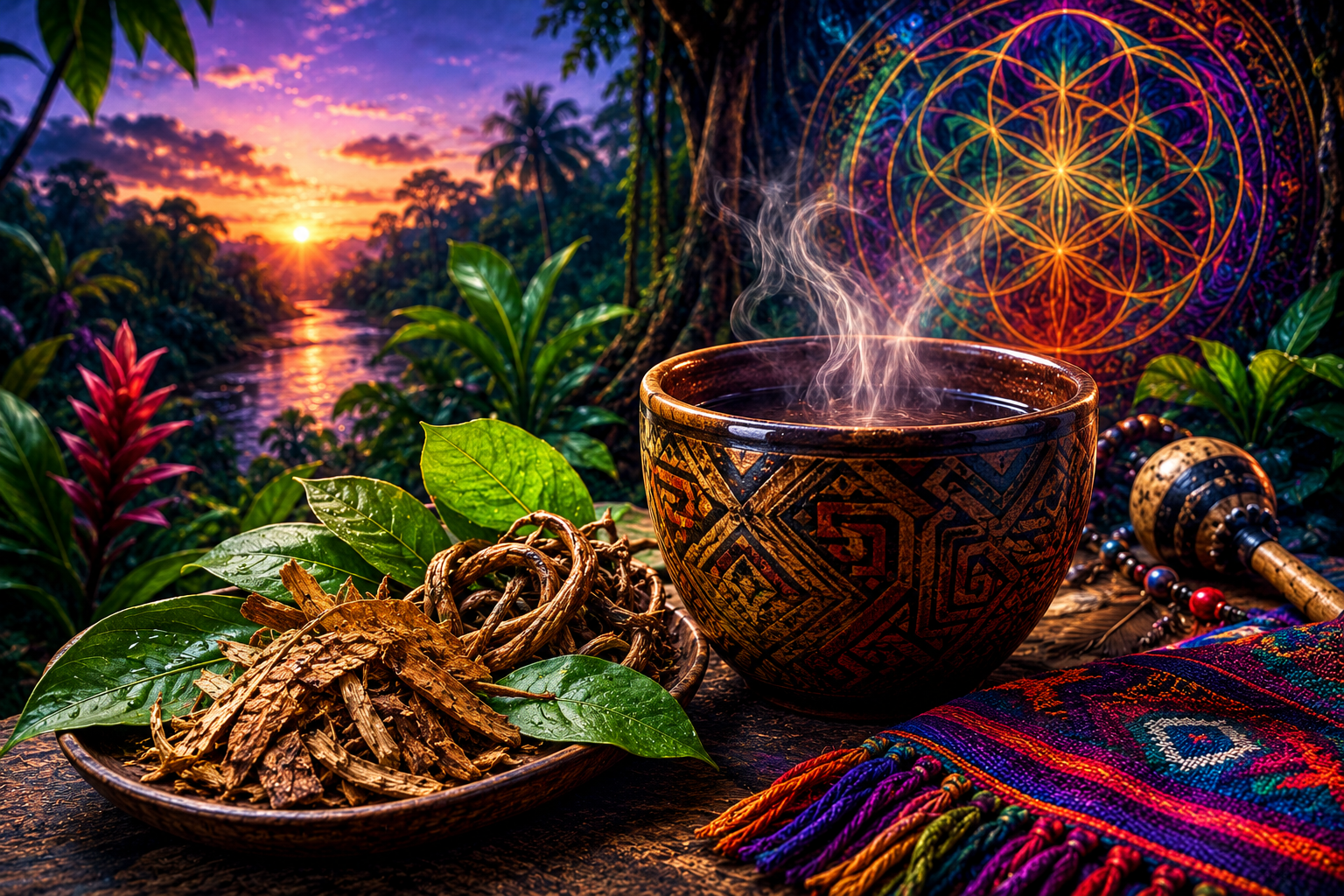
How To Make Ayahuasca:
Ayahuasca is a traditional psychoactive ceremonial brew that has been used for centuries by numerous Indigenous peoples of the Amazon Basin. Today, researchers, healthcare professionals, anthropologists, and psychologists continue to study its cultural significance, pharmacology, and potential therapeutic applications.
At Psychedelic Ranger, we are committed to providing evidence-based education about psychedelic science while recognizing the importance of Indigenous knowledge, cultural respect, environmental sustainability, and public safety.
This guide explores the history of ayahuasca, its traditional ceremonial role, modern scientific research, legal considerations, and known health risks.
What Is Ayahuasca?
Ayahuasca is a traditional ceremonial preparation originating in regions of Peru, Brazil, Colombia, Ecuador, Bolivia, and neighboring Amazonian countries. It has long been used in Indigenous spiritual, medicinal, and cultural practices under the guidance of experienced ceremonial leaders.
Researchers have studied ayahuasca because it contains naturally occurring compounds that interact with the brain’s serotonin system, producing profound alterations in perception, emotion, and consciousness.
Indigenous Cultural Significance
For many Indigenous communities, ayahuasca is not viewed as a recreational substance but as part of a sacred tradition connected to:
- Spiritual ceremonies
- Community healing
- Cultural identity
- Traditional ecological knowledge
- Ritual practices
- Storytelling and oral history
Respecting these traditions is an important part of understanding ayahuasca’s cultural context.
Scientific Research
Modern researchers are studying ayahuasca in areas including:
- Depression
- Anxiety disorders
- Trauma-related conditions
- Addiction research
- Emotional processing
- Neuroplasticity
- Consciousness studies
Although early findings are encouraging in some areas, more large-scale clinical research is needed to establish long-term safety and effectiveness.
Reported Psychological Effects
Published research and participant reports describe experiences that may include:
- Altered perception
- Intensified emotions
- Vivid imagery
- Personal reflection
- Changes in the sense of self
- Spiritual or mystical experiences
Individual experiences vary considerably.
Potential Risks
Ayahuasca is not appropriate for everyone.
Potential risks include:
- Elevated blood pressure
- Nausea and vomiting
- Psychological distress
- Panic or anxiety
- Dangerous interactions with certain medications, including some antidepressants
- Increased risk for individuals with specific cardiovascular or psychiatric conditions
Medical screening and professional guidance are important considerations in any legitimate research or clinical context.
Legal Status
The legal status of ayahuasca differs significantly between countries and jurisdictions. Some nations recognize limited ceremonial or religious use, while others regulate or prohibit the substances associated with ayahuasca under national drug laws.
Anyone seeking information should consult applicable local laws and regulations.
Conservation and Sustainability
Growing international interest has increased demand for plants traditionally associated with ayahuasca ceremonies. Researchers and conservation organizations encourage sustainable harvesting practices, biodiversity protection, and respect for Indigenous communities whose knowledge has preserved these traditions for generations.
Frequently Asked Questions
Is ayahuasca legal everywhere?
No. Laws vary widely by country and region.
Is ayahuasca being researched?
Yes. Universities and research institutions continue to investigate its potential therapeutic applications and mechanisms of action.
Is ayahuasca safe?
Ayahuasca can pose significant risks for some individuals, particularly those with certain medical conditions or those taking medications that may interact with its active compounds. Professional medical advice is essential.
Why is Indigenous knowledge important?
Traditional knowledge provides cultural, historical, and ecological context that has shaped ceremonial practices for centuries and should be approached with respect.
Conclusion
Ayahuasca represents a unique intersection of Indigenous tradition, neuroscience, psychology, and modern clinical research. While scientific interest continues to grow, understanding its cultural origins, legal status, potential risks, and ongoing research is essential.
At Psychedelic Ranger, we are dedicated to providing accurate, evidence-based educational resources that promote informed discussions about psychedelic science while respecting Indigenous traditions and public health.