- Your cart is empty
- Continue Shopping

What Is K2 Paper?
-
By admin
- Posted on
- 0 comments
- Guide
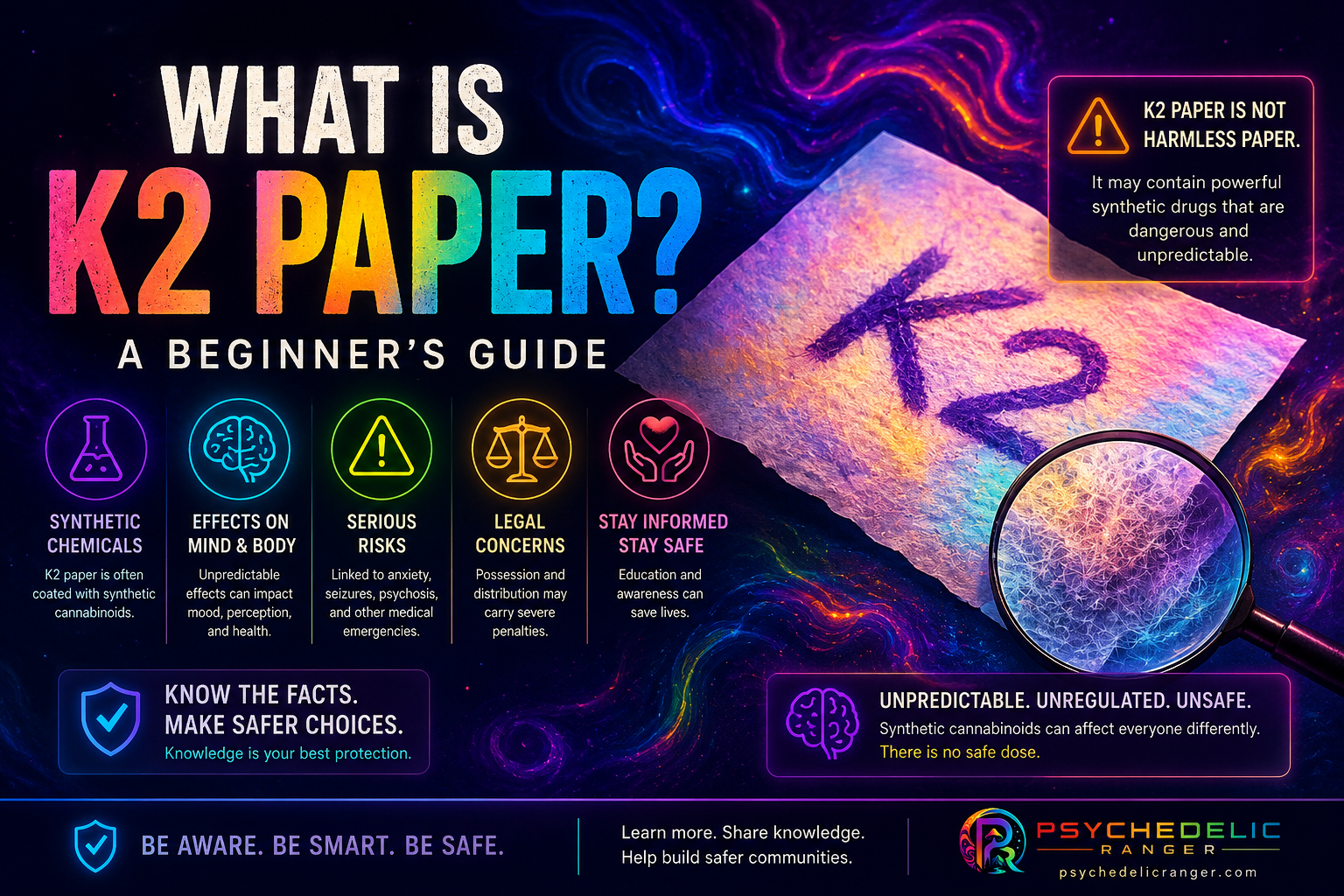
What Is K2 Paper? A Beginner’s Guide
K2 paper is a term used to describe paper that has been treated or infused with synthetic cannabinoids, a class of laboratory-made chemicals designed to mimic some of the effects of tetrahydrocannabinol (THC), the primary psychoactive compound found in cannabis. Often marketed under names such as K2, Spice, or synthetic marijuana, these substances have gained attention because of their unpredictable effects and significant health risks.
Despite being referred to as synthetic marijuana, K2 paper is not the same as natural cannabis. The chemicals used in K2 products can be much more potent than THC and can affect the body in ways that are difficult to predict. This unpredictability has led to numerous medical emergencies, hospitalizations, and public health concerns around the world.
For many people, the term “K2 paper” may be unfamiliar. However, understanding what it is, how it is produced, its effects, and its associated dangers is important for individuals, families, educators, healthcare professionals, and communities. This beginner’s guide explores K2 paper in detail and provides essential information about its risks and implications.
Understanding Synthetic Cannabinoids
To understand K2 paper, it is helpful to first understand synthetic cannabinoids.
Synthetic cannabinoids are man-made chemicals that interact with the body’s endocannabinoid system. This system helps regulate various functions, including mood, memory, appetite, sleep, and pain perception.
Scientists initially developed some synthetic cannabinoids for research purposes. However, illicit manufacturers began producing similar compounds and selling them as recreational drugs. These chemicals are often sprayed onto plant material or paper products and then distributed illegally.
Unlike natural cannabis, which contains hundreds of naturally occurring compounds, synthetic cannabinoids are engineered in laboratories. Even small changes to their chemical structures can significantly alter their potency and effects. As a result, users often have no reliable way of knowing what substances they are consuming or how strong they may be.
K2 paper represents one method of delivering these synthetic chemicals. The paper serves as a carrier for the drug and can be transported or concealed more easily than other forms.
What Exactly Is K2 Paper?
K2 paper is ordinary paper that has been soaked, sprayed, or coated with synthetic cannabinoid chemicals.
After treatment, the paper dries while retaining the synthetic compounds. Although it may appear normal, it contains chemicals that can produce psychoactive effects when consumed.
The paper itself is not inherently dangerous. The risk comes from the synthetic cannabinoids absorbed into it. These chemicals can vary widely from one batch to another, making K2 paper particularly unpredictable.
In many cases, users may not know which synthetic cannabinoids are present or in what concentrations. This lack of consistency contributes significantly to the dangers associated with these products.
K2 paper may resemble regular sheets of paper, letters, documents, greeting cards, notebooks, or other paper products. Because it can look ordinary, it can be difficult to identify without laboratory testing.
Why Is It Called K2?
The term “K2” originated from one of the early brand names used to market synthetic cannabinoid products. Over time, the name became a generic term used to describe many synthetic cannabinoid substances.
The name itself does not refer to a specific chemical. Instead, it is commonly used to describe a broad category of synthetic cannabinoid products.
This can create confusion because different K2 products may contain entirely different chemicals. One product labeled as K2 may have little in common chemically with another product carrying the same name.
As authorities regulate specific compounds, manufacturers often modify their formulas and introduce new chemicals. This continual evolution makes synthetic cannabinoid products difficult to regulate and monitor.
How Is K2 Paper Made?
K2 paper is typically created by dissolving synthetic cannabinoid chemicals in a liquid solution. This solution is then applied to paper through spraying, soaking, or coating methods.
Once the paper dries, the chemicals remain embedded in the fibers.
Because these processes are often carried out in unregulated environments, there is little quality control. This means that the concentration of synthetic cannabinoids may vary significantly across different sections of the same sheet of paper.
One area may contain relatively small amounts of the chemical, while another area may contain much higher concentrations. This uneven distribution increases the risk of accidental overdose and severe adverse reactions.
The lack of manufacturing standards is one of the primary reasons why K2 paper is considered especially dangerous.
How Does K2 Affect the Body?
Synthetic cannabinoids interact with cannabinoid receptors in the brain and body.
However, many synthetic cannabinoids bind more strongly to these receptors than THC. This can produce effects that are significantly more intense and potentially more harmful.
Users may experience:
- Euphoria
- Relaxation
- Altered perception
- Changes in mood
- Confusion
- Anxiety
- Rapid heart rate
- Dizziness
- Impaired coordination
While some individuals may seek these effects, others may experience severe negative reactions even after limited exposure.
The body’s response depends on factors such as the specific chemical used, dosage, individual sensitivity, age, health status, and the presence of other substances.
Because the chemical composition is often unknown, predicting the effects of K2 paper is extremely difficult.
Short-Term Effects of K2 Paper
The short-term effects of synthetic cannabinoids can vary dramatically.
Some individuals report feelings of relaxation or mild intoxication. Others experience intense and frightening symptoms.
Common short-term effects may include:
Increased Heart Rate
Many synthetic cannabinoids can stimulate the cardiovascular system, leading to rapid heartbeat and elevated blood pressure.
Agitation and Anxiety
Users may become nervous, restless, or highly anxious. Some individuals experience panic attacks that require medical attention.
Confusion
Mental confusion and disorientation are frequently reported. Users may have difficulty concentrating or understanding their surroundings.
Hallucinations
Some synthetic cannabinoids can produce visual or auditory hallucinations, causing users to see or hear things that are not present.
Nausea and Vomiting
Digestive symptoms are common and may occur suddenly.
Drowsiness
Some users become extremely sleepy or unresponsive.
Loss of Coordination
Impaired motor skills can increase the risk of accidents and injuries.
These effects may begin rapidly and can last for varying periods depending on the substances involved.
Serious Health Risks Associated with K2 Paper
One of the biggest concerns surrounding K2 paper is the potential for serious health complications.
Unlike natural cannabis, synthetic cannabinoids have been associated with numerous severe medical emergencies.
Some documented risks include:
Seizures
Certain synthetic cannabinoids have been linked to seizure activity, even in individuals without a history of epilepsy.
Psychosis
Some users experience severe psychotic symptoms, including paranoia, delusions, and hallucinations.
Heart Problems
Synthetic cannabinoids can place significant stress on the cardiovascular system, potentially leading to serious complications.
Kidney Damage
Cases of acute kidney injury have been reported following synthetic cannabinoid exposure.
Respiratory Issues
Breathing difficulties may occur in some cases.
Loss of Consciousness
High doses or potent formulations can result in unconsciousness or severe impairment.
Death
Although relatively uncommon, fatalities have been associated with synthetic cannabinoid use, particularly when highly potent compounds are involved.
These risks highlight why healthcare professionals and public health agencies consider K2 products to be dangerous substances.
Why Is K2 Paper So Unpredictable?
One of the defining characteristics of K2 paper is its unpredictability.
Several factors contribute to this unpredictability:
First, manufacturers frequently change the chemical formulations.
Second, concentrations may vary from one batch to another.
Third, users often have no way to verify which chemicals are present.
Fourth, individual reactions differ significantly.
A quantity that causes mild effects in one person may produce severe symptoms in another.
This uncertainty makes K2 paper far riskier than many people realize.
Mental Health Effects
Synthetic cannabinoids can have profound effects on mental health.
Some users experience:
- Severe anxiety
- Panic attacks
- Depression
- Paranoia
- Aggression
- Confusion
- Psychotic episodes
In some cases, symptoms may persist after the drug’s immediate effects have worn off.
Individuals with existing mental health conditions may be particularly vulnerable to adverse reactions.
Mental health professionals often emphasize the importance of awareness and prevention due to the significant psychological risks associated with synthetic cannabinoids.
Can Someone Become Dependent on K2?
Yes, dependence can develop.
Although experiences vary, repeated use of synthetic cannabinoids may lead to tolerance and psychological dependence.
Users who develop dependence may feel compelled to continue using despite negative consequences.
Some individuals also report withdrawal symptoms after stopping use.
Possible withdrawal symptoms include:
- Irritability
- Anxiety
- Mood swings
- Sleep disturbances
- Headaches
- Cravings
The severity of withdrawal varies from person to person.
Professional support may be beneficial for individuals experiencing difficulties related to synthetic cannabinoid use.
Legal Status of K2 Paper
The legal status of K2 paper varies by country and jurisdiction.
Many governments have banned numerous synthetic cannabinoid compounds due to public health concerns. However, manufacturers often attempt to evade regulations by creating new chemical variants.
As a result, laws frequently evolve to address emerging substances.
Possessing, distributing, or manufacturing K2 paper may carry significant legal consequences depending on local regulations.
Anyone seeking information about legal status should consult current laws in their specific location.
Why Is K2 Paper a Public Health Concern?
Public health officials view K2 paper as a significant concern for several reasons.
The substances involved are often highly potent.
Manufacturing is generally unregulated.
Chemical compositions change frequently.
Medical emergencies can occur unexpectedly.
Healthcare providers may not immediately know which substances are involved.
These factors complicate prevention, treatment, and public education efforts.
Communities, schools, healthcare organizations, and policymakers continue to work toward increasing awareness of the dangers associated with synthetic cannabinoids.
Recognizing Signs of Possible K2 Exposure
Potential warning signs may include:
- Sudden confusion
- Extreme anxiety
- Rapid heartbeat
- Unusual behavior
- Severe agitation
- Hallucinations
- Loss of coordination
- Unresponsiveness
- Seizures
If someone appears to be experiencing a severe reaction, immediate medical assistance should be sought.
Prompt treatment can help reduce the risk of serious complications.
Prevention and Education
Education remains one of the most effective tools for reducing harm.
People should understand that synthetic cannabinoids are not simply synthetic versions of cannabis. They are separate chemicals with unique risks and potentially dangerous effects.
Parents, educators, healthcare professionals, and community leaders can play important roles by providing accurate information and encouraging open discussions about substance use.
Awareness helps individuals make informed decisions and recognize warning signs when problems arise.
Conclusion
K2 paper is paper that has been infused with synthetic cannabinoids, a group of laboratory-made chemicals designed to interact with the body’s cannabinoid receptors. While it may appear harmless or similar to ordinary paper, it can contain powerful substances capable of producing unpredictable and potentially dangerous effects.
Unlike natural cannabis, synthetic cannabinoids can vary dramatically in potency and chemical composition. This unpredictability contributes to serious health risks, including anxiety, psychosis, seizures, cardiovascular complications, and other medical emergencies. Read more.
Understanding what K2 paper is, how it works, and why it poses significant dangers is essential for promoting public awareness and safety. Through education, prevention, and informed decision-making, individuals and communities can better address the challenges associated with synthetic cannabinoid products and reduce the harm they may cause. Click here for those searcher or seeking for the K2 paper online.
Frequently Asked Questions (FAQs) About K2 Paper
1. What is K2 paper?
K2 paper is paper that has been treated with synthetic cannabinoids, which are laboratory-created chemicals designed to mimic some of the effects of THC, the psychoactive compound found in cannabis. The paper itself is not the drug; rather, it acts as a carrier for the synthetic chemicals. These substances can produce unpredictable effects and are associated with significant health risks.
2. Is K2 paper the same as marijuana?
No. Although K2 is often referred to as synthetic marijuana, it is chemically different from natural cannabis. The synthetic cannabinoids found in K2 products can be much stronger than THC and may cause more severe physical and psychological reactions. Unlike cannabis, K2 products often contain unknown chemical compounds that vary from batch to batch.
3. Why is it called K2 paper?
The term “K2” originated from one of the early brand names used to market synthetic cannabinoid products. Over time, the name became a generic term used to describe many products containing synthetic cannabinoids. K2 paper specifically refers to paper that has been infused with these chemicals.
4. What chemicals are found in K2 paper?
K2 paper may contain various synthetic cannabinoids, and the specific chemicals can differ significantly between products. Manufacturers frequently alter chemical formulas to evade regulations, making it difficult to know exactly what substances are present without laboratory testing.
5. How does K2 paper affect the body?
Synthetic cannabinoids interact with cannabinoid receptors in the brain and body. Users may experience altered mood, relaxation, confusion, dizziness, anxiety, or changes in perception. However, because these substances are often highly potent and unpredictable, some individuals may experience severe adverse effects.
6. What are the short-term effects of K2 paper?
Short-term effects can vary widely but may include:
- Rapid heartbeat
- Anxiety or panic attacks
- Dizziness
- Nausea and vomiting
- Confusion
- Hallucinations
- Impaired coordination
- Extreme drowsiness
The intensity of these effects depends on the chemical composition and individual response.
7. Why is K2 paper considered dangerous?
K2 paper is dangerous because synthetic cannabinoids are often much stronger than natural THC and can produce unpredictable reactions. Since the chemicals and concentrations vary between products, users may unknowingly consume highly potent substances that can lead to medical emergencies.
8. Can K2 paper cause serious health problems?
Yes. Serious health risks associated with synthetic cannabinoids include seizures, psychosis, kidney injury, heart complications, respiratory distress, loss of consciousness, and in rare cases, death. The unpredictability of these substances increases the likelihood of severe adverse reactions.
9. Can K2 paper affect mental health?
Yes. Synthetic cannabinoids have been linked to anxiety, paranoia, panic attacks, depression, aggression, hallucinations, and psychotic episodes. Some individuals may experience lingering mental health effects even after the immediate effects have worn off.
10. Is K2 paper addictive?
Synthetic cannabinoids may lead to dependence in some individuals. Repeated use can result in cravings, tolerance, and withdrawal symptoms when use stops. Withdrawal symptoms may include irritability, anxiety, insomnia, headaches, and mood changes.
11. Is K2 paper legal?
The legal status of K2 paper varies depending on the country and jurisdiction. Many synthetic cannabinoids have been banned due to public health concerns. However, manufacturers often modify chemical formulas, which can complicate regulation. Individuals should consult local laws for the most current legal information.
12. Why are synthetic cannabinoids difficult to regulate?
Manufacturers frequently alter the chemical structures of synthetic cannabinoids to create new compounds that may not yet be specifically prohibited under existing laws. This constant evolution makes enforcement and regulation challenging for authorities.
13. Can you identify K2 paper just by looking at it?
Not always. K2 paper can look very similar to ordinary paper, letters, or documents. In many cases, there are no obvious visual signs indicating that the paper contains synthetic cannabinoids. Laboratory testing is often required to confirm the presence of these substances.
14. Who is most at risk from K2 paper?
Anyone exposed to synthetic cannabinoids may be at risk. However, young adults, individuals with pre-existing mental health conditions, people with cardiovascular problems, and those unaware of the product’s contents may face greater dangers from adverse reactions.
15. What should someone do if they suspect K2 exposure?
If a person experiences severe symptoms such as chest pain, seizures, hallucinations, difficulty breathing, extreme agitation, or loss of consciousness, emergency medical assistance should be sought immediately. Quick medical intervention can help reduce the risk of serious complications.
16. Why is public education about K2 paper important?
Public education helps people understand the risks associated with synthetic cannabinoids, recognize warning signs of intoxication, and make informed decisions. Awareness campaigns can also help parents, educators, healthcare providers, and communities identify potential dangers and support prevention efforts.
17. Are synthetic cannabinoids safer than cannabis?
No. Synthetic cannabinoids are generally considered more dangerous because they often bind more strongly to cannabinoid receptors and can produce unpredictable effects. Their chemical composition is frequently unknown, increasing the risk of severe health consequences.
18. Can K2 paper contain different chemicals from one batch to another?
Yes. One of the major concerns with K2 paper is the inconsistency between products. Different batches may contain entirely different synthetic cannabinoids, and even different areas of the same sheet of paper may contain varying concentrations of chemicals.
19. How can communities help reduce the risks associated with K2 paper?
Communities can support prevention through education, public awareness programs, access to mental health resources, substance abuse treatment services, and open communication about the dangers of synthetic drugs. Early intervention and accurate information play important roles in reducing harm.
20. What is the most important thing to know about K2 paper?
The most important thing to understand is that K2 paper contains synthetic cannabinoids that can have unpredictable and potentially dangerous effects. Because the chemical composition is often unknown and unregulated, these products pose significant health and safety risks that should not be underestimated.