- Your cart is empty
- Continue Shopping

What Is Liquid LSD Drops and How Does It Work?
-
By admin
- Posted on
- 0 comments
- Uncategorized
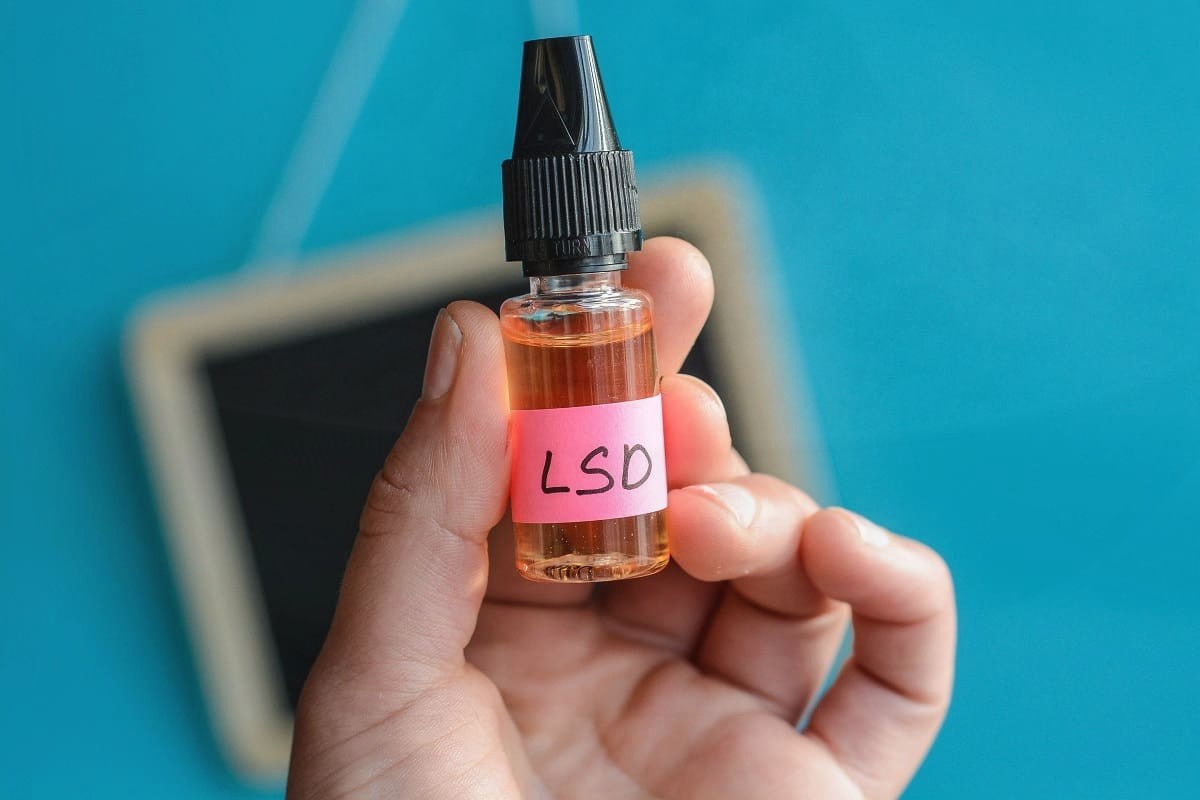
Psychedelics have fascinated humanity for centuries, shaping spiritual traditions, scientific inquiry, and modern counterculture. Among them, Lysergic acid diethylamide — commonly known as LSD DROPS— stands out as one of the most potent and widely discussed. While many people are familiar with LSD in blotter paper form, fewer understand liquid LSD, sometimes referred to as lsd liquid, lsd drops, or even mistakenly typed asliquid lad.
In this comprehensive guide, we’ll explore what liquid LSD drops is, how it works in the brain, how it differs from other forms, its effects, risks, history, and important safety considerations.
Understanding LSD: A Brief Overview
LSD is a semi-synthetic psychedelic compound first synthesized in 1938 by Swiss chemist Albert Hofmann at Sandoz Laboratories. Its powerful psychoactive properties were accidentally discovered in 1943 when Hofmann experienced the first recorded LSD trip.
Chemically, LSD belongs to the ergoline family and is derived from lysergic acid, which is found in ergot — a fungus that grows on rye and other grains. LSD is active at extraordinarily small doses, typically measured in micrograms (µg), making it one of the most potent psychoactive substances known.
What Is Liquid LSD?
Liquid LSD drops is simply LSD dissolved in a liquid solution. The active compound — lysergic acid diethylamide — is typically suspended in alcohol, distilled water, or a mixture of both. The solution is stored in small dropper bottles for precise measurement.
In other words:
- The chemical is the same.
- Only the delivery format differs.
Common Terms You May Hear
- LSD drops – Refers to administering LSD via drops from a dropper bottle.
- LSD liquid – Another phrase for liquid LSD.
- Liquid lad – Often a typo or mishearing of “liquid LSD.”
Regardless of the name, the active compound remains identical.
How Does Liquid LSD Drops Work in the Brain?
To understand how LSD liquid works, we must look at how LSD interacts with the brain.
1. Serotonin Receptor Activation
LSD primarily affects serotonin receptors — especially the 5-HT2A receptor subtype. Serotonin is a neurotransmitter involved in mood, cognition, perception, and emotional regulation.
When LSD binds to these receptors:
- Sensory processing becomes amplified.
- Boundaries between brain networks loosen.
- Perception of time and self may shift.
This interaction is largely responsible for the visual distortions, altered thinking patterns, and emotional intensity associated with LSD drops.
2. Increased Brain Connectivity
rain imaging studies have shown that LSD increases communication between regions of the brain that normally operate separately. Under normal conditions, brain networks function in structured, predictable ways. With LSD liquid:
- Communication becomes more globally integrated.
- The “default mode network” (associated with ego and self-identity) becomes less dominant.
- Creative and abstract thinking may increase.
This neurological “cross-talk” is often linked to experiences described as ego dissolution or mystical states.
3. Dopamine Effects
While buy liquid lsd primarily acts on serotonin, it also interacts with dopamine systems, which may contribute to its stimulating and sometimes euphoric properties.
How Is Liquid LSD Different From Other Forms?
LSD is commonly found in:
- Blotter paper
- Gel tabs (windowpane)
- Sugar cubes
- Microdots
- Liquid form (lsd liquid)
The difference lies in delivery, not chemistry.
Advantages of LSD Liquid
- Precise dosing – LSD drops allow users to measure microgram amounts more accurately (if concentration is known).
- Versatility – Can be applied to blotter, sugar cubes, or consumed directly.
- Storage efficiency – Small bottles can contain many doses.
Potential Challenges
- Measuring incorrect doses if concentration is unknown.
- Degradation if exposed to heat, light, or air.
- Risk of accidental overconsumption.
What Do LSD Drops Feel Like?
Effects typically begin within 20–90 minutes after ingestion and may last 8–12 hours or longer.
Psychological Effects
- Visual distortions (patterns, color enhancement)
- Altered perception of time
- Enhanced introspection
- Emotional amplification
- Synesthesia (mixing of senses)
Physical Effects
- Dilated pupils
- Increased heart rate
- Elevated blood pressure
- Reduced appetite
- Mild stimulation
Because LSD liquid is potent even in tiny amounts, small variations in dose can significantly change the experience.
Dosage and Potency
LSD doses are measured in micrograms (µg):
- 20–50 µg: Mild effects
- 75–150 µg: Moderate psychedelic experience
- 200+ µg: Intense experience
- 400+ µg: Very powerful, potentially overwhelming
With lsd drops, the concentration of the solution determines how many micrograms are in each drop. Without laboratory testing, potency can vary widely.
How Long Does Liquid LSD Last?
The timeline generally follows:
- Onset: 30–90 minutes
- Peak: 2–5 hours
- Plateau: 3–6 hours
- Comedown: 2–6 hours
Residual stimulation may last longer, and sleep can be difficult the same day.
The History of Liquid LSD in Culture
After its discovery, LSD was studied extensively in the 1950s and 1960s for psychiatric research. During the 1960s counterculture movement, LSD became widely associated with artists, musicians, and activists.
Public figures like Timothy Leary popularized its use with slogans encouraging expanded consciousness.
However, regulatory crackdowns led to LSD becoming illegal in many countries by the late 1960s.
Legal Status of LSD Liquid
In many countries, LSD is classified as a Schedule I substance, meaning it is considered to have high abuse potential and no accepted medical use under federal law.
For example:
- In the United States, LSD is Schedule I.
- In the United Kingdom, it is a Class A substance.
- Many other nations prohibit possession and distribution.
Legal consequences can be severe.
Risks and Side Effects
While LSD is not considered physically addictive, risks include:
Psychological Risks
- Panic attacks
- Paranoia
- Anxiety
- Traumatic experiences (“bad trips”)
- Potential triggering of underlying mental health conditions
Rare but Possible
- Hallucinogen Persisting Perception Disorder (HPPD)
- Persistent anxiety
- Flashbacks
Set (mindset) and setting (environment) play a major role in shaping outcomes.
Is Liquid LSD Used in Research?
Modern psychedelic research has resumed in recent years. Institutions such as Johns Hopkins University and Imperial College London have studied psychedelics for potential thera peutic use.
However, many current studies focus on psilocybin rather than LSD drops due to regulatory complexity and duration differences.
Storage and Stability of LSD Liquid
LSD is sensitive to:
- Heat
- Light (especially UV)
- Oxygen
- Chlorine
Proper storage involves:
- Dark glass bottles
- Cool temperatures
- Minimal air exposure
Improper storage can degrade potency.
Myths About Liquid LSD Drops
Myth 1: Liquid LSD Is Stronger
False — it’s the same molecule. Strength depends on dose.
Myth 2: You Can Overdose Fatally
LSD has extremely low toxicity. However, psychological risk and risky behavior while intoxicated pose real dangers.
Myth 3: It Stays in Your Spine
There is no scientific evidence supporting this claim.
Why Do People Seek LSD Liquid?
Motivations vary:
- Curiosity
- Spiritual exploration
- Creative insight
- Psychological introspection
- Recreational experimentation
Reported experiences often include profound personal insights or shifts in perspective.
Harm Reduction Considerations
For educational purposes, general harm reduction principles discussed in public health contexts include:
- Knowing the substance and testing when possible
- Starting with very low amounts
- Avoiding mixing with other substances
- Being in a safe, trusted environment
- Avoiding use if predisposed to psychosis
Final Thoughts: What Is Liquid LSD and How Does It Work?
Liquid LSD — whether called lsd liquid, lsd drops, or mistakenly liquid lad — is simply LSD dissolved in liquid form. Its effects stem from its powerful interaction with serotonin receptors in the brain, leading to altered perception, expanded sensory awareness, and changes in consciousness.
Though chemically identical to other forms of LSD, liquid format offers dosing flexibility but also carries risks if concentration is unknown. While research into psychedelics is expanding, LSD remains illegal in many jurisdictions and carries psychological risks.
Understanding how it works biologically, psychologically, and culturally allows for informed discussion rather than myth or misinformation.